The Great Restoration: How Bitcoin Can Fix the Art World
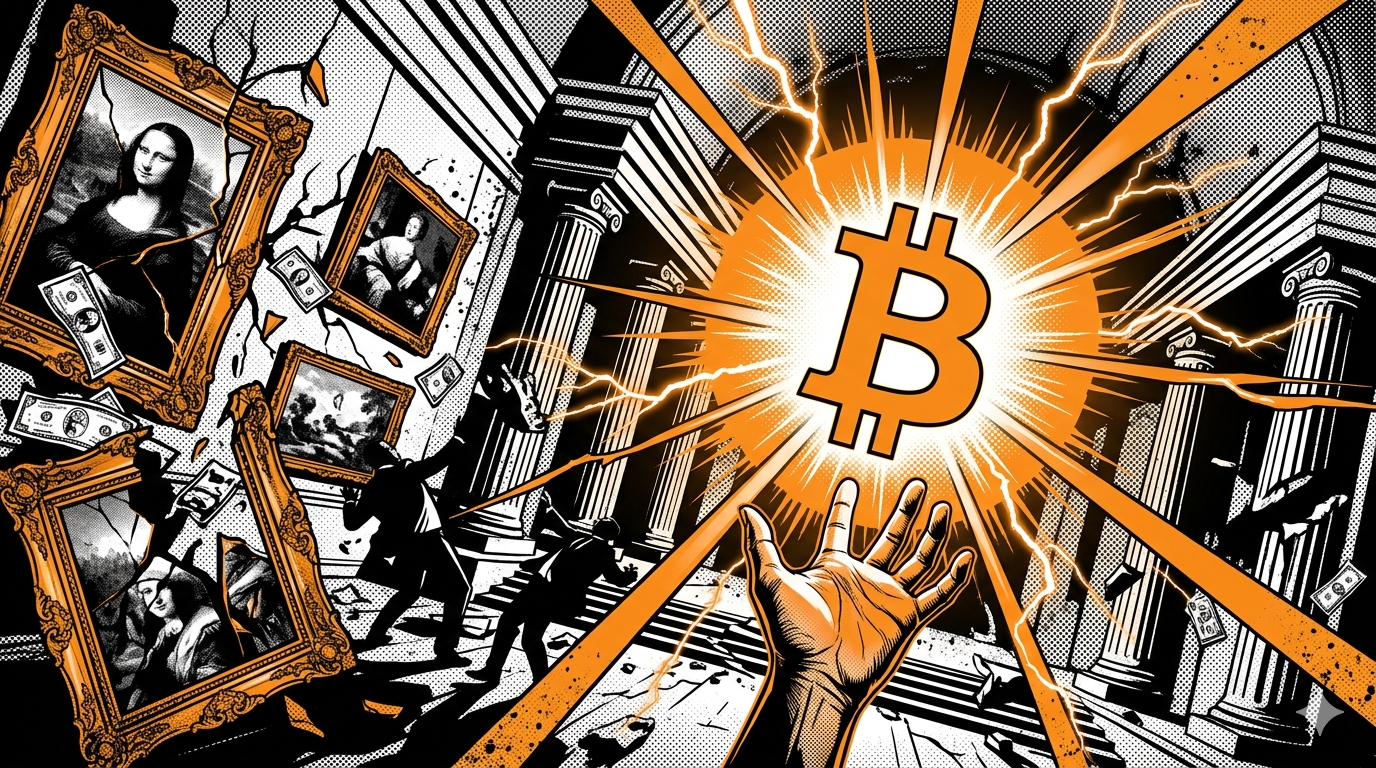
Originally published in Bitcoin Magazine (April 2023). Updated and republished here with new context.
For centuries, the traditional art market has been dominated by established auction houses and galleries, where works of art are sold for millions of dollars. Despite its longevity, the art market has been criticised for its opaqueness, exclusivity, and the difficulties faced by new collectors when navigating its intricacies. In fact, it has been described as “the most corrupt industry in the world.”
Given that Bitcoin was designed to counter large, corrupt monetary policies, many wonder if it can also disrupt the shady and unscrupulous practices of the art world. If so, how might Bitcoin achieve this transformation?
Closed Source
From an artist’s perspective in the traditional art world, comprehending the intricate economics of selling their artwork — and where the funds end up — is a daunting task. Artists are often left in the dark about the financial aspects of their craft, which can be disheartening and even exploitative.
There appears to be a deliberate effort to infantilise the artists, depriving them of a comprehensive understanding of the financial transactions involving their work and rendering them vulnerable to manipulation by powerful intermediaries. Art galleries are not immune to such practices, as they take advantage of the complex processes involved in the purchase of artworks — typically requiring multiple intermediaries such as banks, auction houses and art dealers.
This creates a sort of sleight of hand, making it easier for galleries to obscure the actual sale value of artwork and resulting in the artist being kept in the dark about the true value of their work.
The murky economic model applies not just to artists but also to new collectors trying to navigate the market. Large galleries often change prices depending on who they are selling to, which can make it difficult for new collectors to acquire pieces. This tactic allows galleries to maintain control over who owns the art, limit the supply and ensure that work will not end up in the secondary market — leading to a Cantillon-style effect where the connected few benefit at the expense of everyone else.
Museums and prestigious collectors often have access to special work and pay less for pieces. Having their names associated with certain pieces also boosts value. The Guggenheim has reportedly received discounts of 30% or more for certain pieces because of their association with the institution. These pricing tactics and exclusivity practices leave new collectors frustrated and unable to acquire pieces regardless of their means. Even Daniel Radcliffe was turned away when trying to buy a Jim Hodges piece: “No, we’re waiting for a more prestigious collector to take that.”
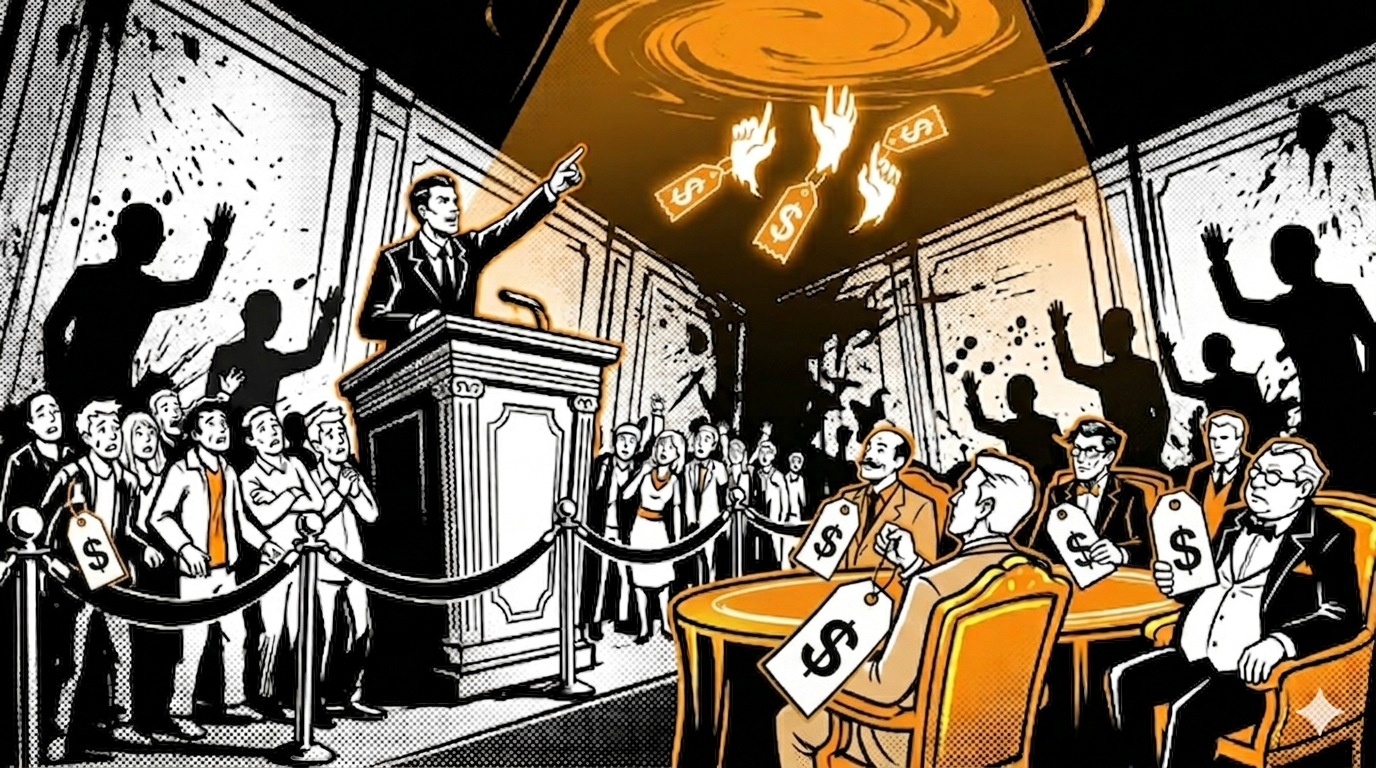
And despite the seemingly transparent nature of auctions, prices at houses like Sotheby’s and Christie’s can still be manipulated. “Chandelier bidding” — where an auctioneer takes phantom bids from non-existent bidders to artificially inflate prices — is a known practice. Collectors may also bid on lots simply to raise the temperature and protect the value of their existing collections. Auction prices may not reflect true market rates at all.
Can Bitcoin Fix This?
The use of Bitcoin in the art world has the potential to address the issues of corruption and inequality in the industry. Bitcoin offers a more efficient and transparent transaction mechanism, eliminating the need for multiple intermediaries and enabling immediate payment for artists after the sale of their artwork.
The human layer of Bitcoin adoption in the art world is complex. Bitcoin can be misused by those with malicious intentions — as with any tool. But it has the ability to incentivise ethical behaviour. As Bitcoin is not subject to inflationary pressures, it reduces the exploitation of artists in revenue sharing and removes the incentive for potentially questionable practices.
Bitcoin auction sites such as Scarce.City and Plebeian Market have recognised the gap in the market and are leveraging Bitcoin’s capabilities to create a more ethical approach to art sales. By charging lower fees and offering a transparent bidding process open to all, these platforms aim to disrupt the traditional gallery and auctioneering worlds.
P(ower)2P(ainters)
Bitcoin’s disruptive potential extends beyond providing a more efficient and transparent means of buying and selling art. It has the power to fundamentally change the traditional art world’s structure by offering a decentralised, peer-to-peer relationship between artists and collectors.
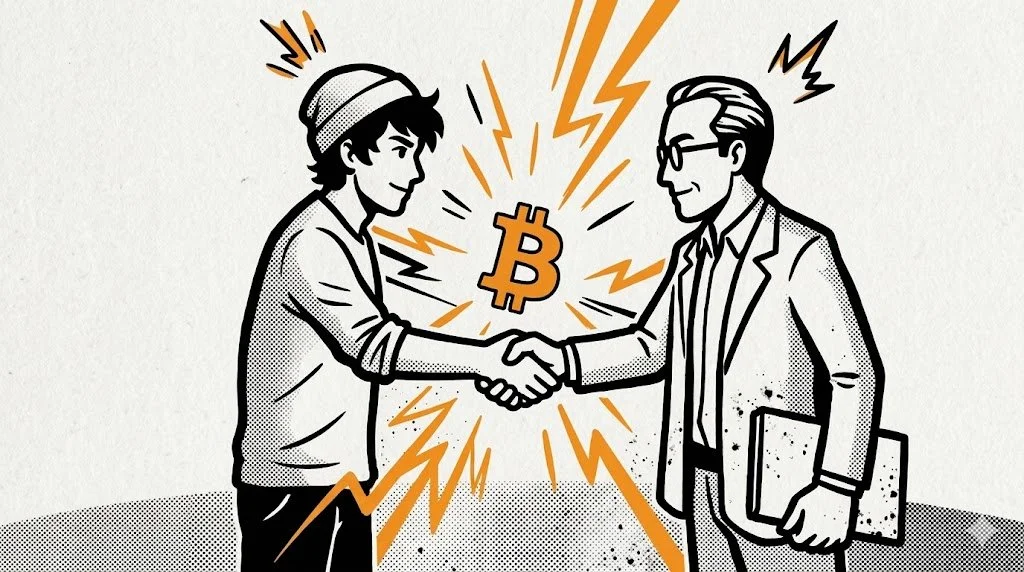
In the conventional art market, the artist’s relationship with the collector is often non-existent — it is the gallery that dictates who gets to collect the artwork. With Bitcoin, artists have the opportunity to create meaningful relationships with their collectors directly, as both parties navigate and learn from each other. This relationship-building process is facilitated by the fact that Bitcoin enables transactions to occur between artists and collectors without intermediaries.
What’s changed since 2023 is the scale. The Bitcoin art community has grown from a small cohort of true believers into a genuine movement. Artists are selling work denominated in sats. Collectors who understand sound money are beginning to understand sound art — that scarcity matters, that provenance matters, that the who-made-it and the why are as important as the what. The culture is doing the work the technology only made possible.
Fake Rares
Counterfeiting and forgery have plagued the art industry for centuries. The Fine Art Expert Institute suggests the market for fake artworks is worth approximately $6 billion per year. In some categories, the percentage of fake artworks may reach as high as 70%. Some experts suggest that up to 20% of art displayed in museums worldwide could be counterfeit.
Bitcoin’s immutable ledger offers a way to address art forgery and counterfeiting. By embedding tokens in physical art pieces or digital art, assets can be tracked transparently from owner to owner, ensuring that the buyer is purchasing genuine work with a reliable provenance.
This method has significant potential to mitigate the risk of forgeries. It also discourages counterfeiters from creating fake artworks altogether — their creations can be traced back to the source, with legal consequences. The art industry should be a safe and secure place for collectors, investors and enthusiasts. Bitcoin gives it the tools to become one.
1494 All Over Again
More and more art and artists are being drawn to Bitcoin every day. This is not a surprise. Creators are primed for adoption of Bitcoin. Artists know that proof of work and energy transmutation have always been part of the alchemical process of making. Selling artwork for sats is an artist’s way of mining.
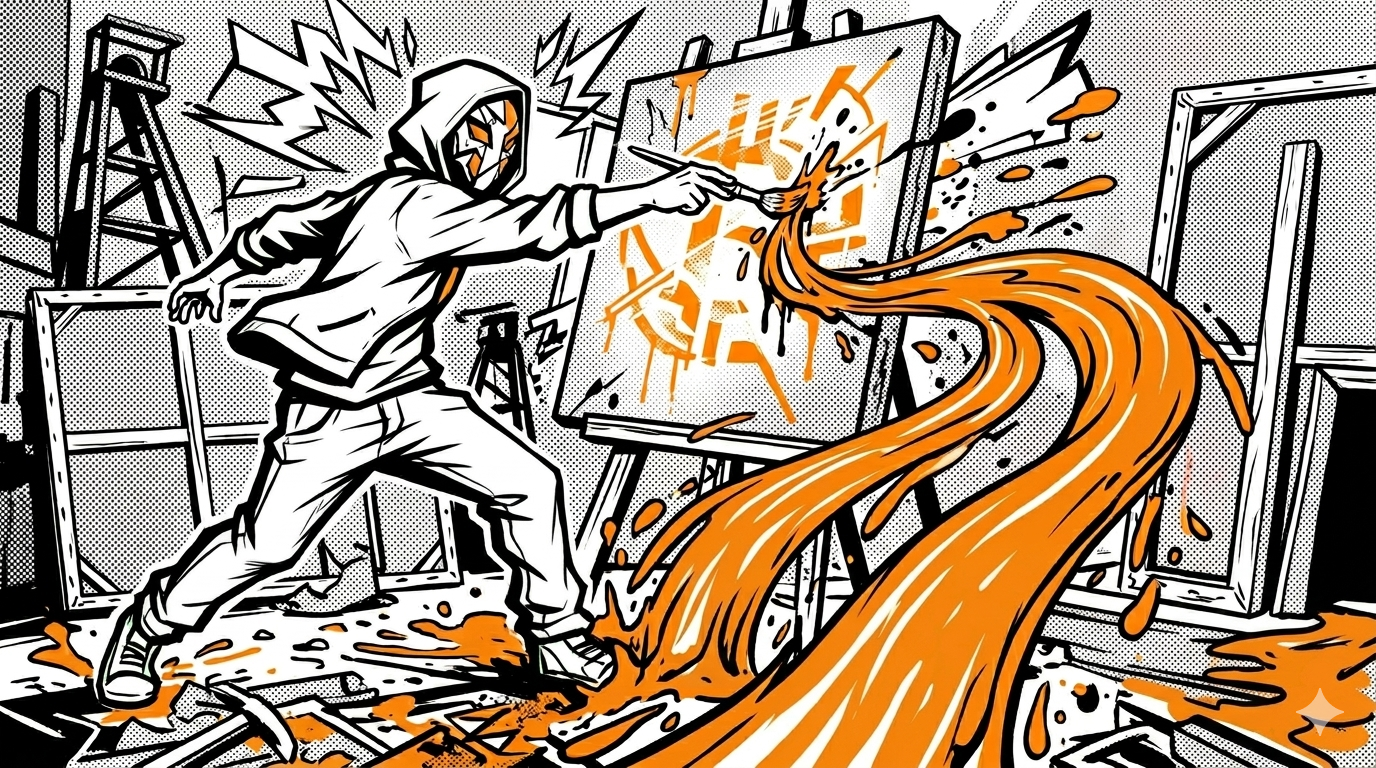
With greater adoption, Bitcoin principles — open-source information, transparency, borderlessness, decentralisation — will influence the traditional art market through the nuts and bolts of the network and, perhaps more importantly, through the culture and behaviour surrounding it. Bitcoin gives artists and collectors new tools to sell art and forge relationships directly. While there will always be a role for the gallerist, transparency is the basis for growth in Bitcoin art. Building on it creates a more ethical and creative ecosystem.
In 1494, the invention of double-entry accounting ushered in a new era of human prosperity and a golden age of artistic expression. Bitcoin is not a silver bullet. But it offers a real hope of echoing history — paving the way for a Renaissance in the art world in terms of creativity, freedom and ethics.
The restoration is already underway. The only question is whether the art world meets it, or gets left behind.
— Я